
Duck Egg Chocolate Mousse
This is the first in a series of recipes highlighting the versatility of duck eggs. Fair warning; this dessert may not last long in your house!
You can find our duck eggs at our farm stand every day of the week, but if you're not local, most natural food stores carry them.
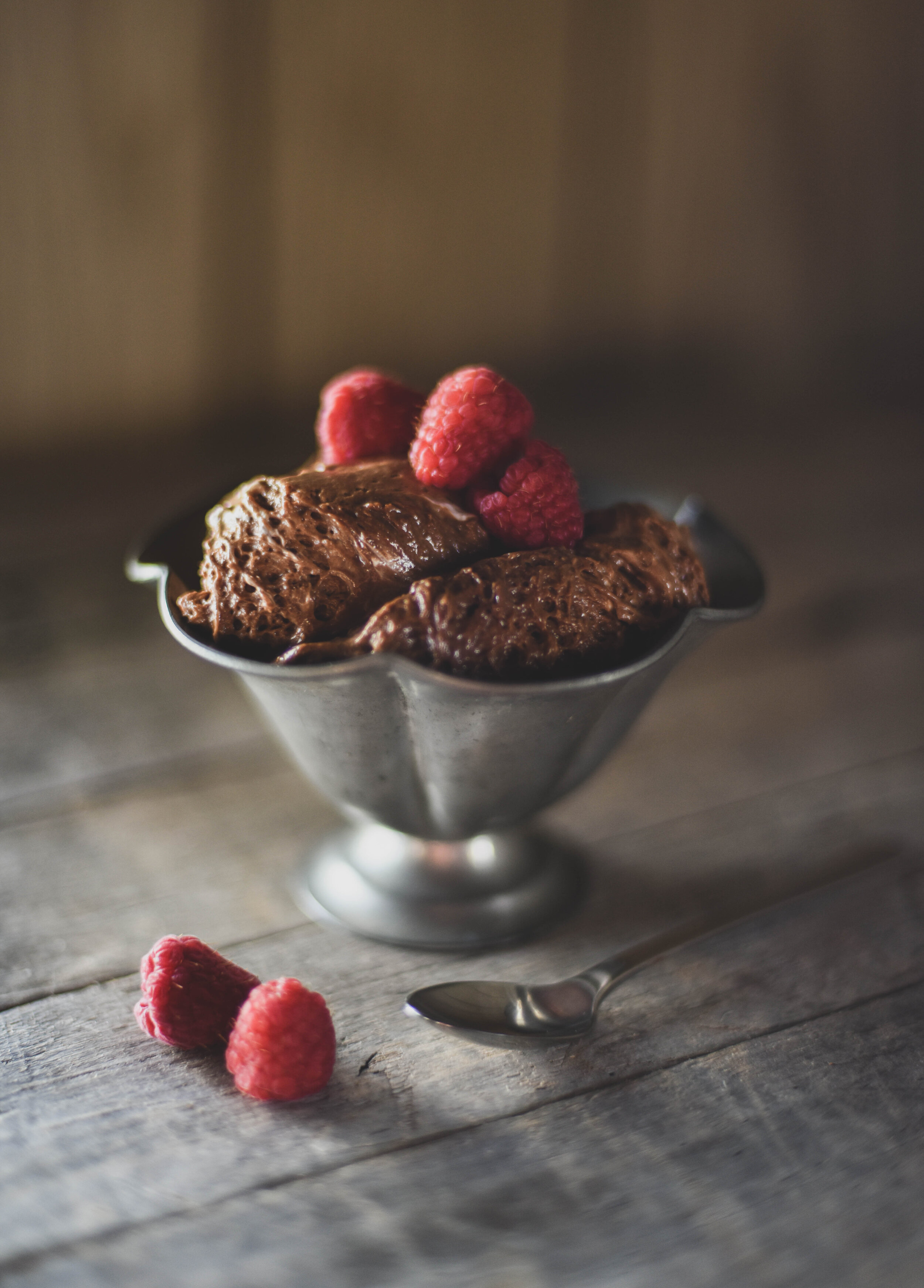
Ingredients
- 1 cup chilled heavy cream
- 4 large duck or chicken eggs, separated
- 1/4 cup espresso or strong coffee, chilled
- 1/2 teaspoon of vanilla extract
- 3 tablespoons sugar, 2 for the mousse, 1 for the whipped cream
- 1/8 teaspoon kosher salt
- 6 ounces or about a half bag of high quality dark or semi-sweet chocolate chips (or a combo of both, Ghiradelli works well)
- 1 teaspoon of cream of tartar (optional)
1. Beat 1 cup chilled cream in cold metal bowl until stiff peaks form; cover and chill.
2. Combine duck egg yolks, cold espresso, vanilla, salt and 2 Tbsp. sugar in a large metal bowl. Whisk to combine.
3. Set up a double boiler (about an inch or two of simmering water in a large pot with the metal bowl placed on top. Make sure the hot water doesn’t touch.)
4. Whisk constantly as the mixture thickens until a thermometer reads about 155-160 degrees. The color will look muddy. Add chocolate; whisk until melted and smooth.
5. Remove from water. Let stand, whisking occasionally, until cool to the touch. (Very important not to rush otherwise the heat will deflate your whites).
6. While you are waiting for the chocolate to cool, using an electric mixer, beat 4 egg whites on medium speed until foamy. With mixer running, add 1 Tbsp. sugar and cream of tartar. Let the mixer do its thing until stiff peaks form. About 2 minutes.
7. Working in batches, gradually fold in the stiffed whites, scraping the sides of the bowl and gently combining towards the center of the bowl (DON’T MIX!). Try to maintain as much of the air as possible.
8. Fold about 1/3 of the whipped cream into mixture just to blend. Divide mousse among six teacups, ramekins or small mason jars. Use whatever you’ve got!
Cover and chill until firm, at least 2 hours. Before serving, sprinkle the tiniest bit of kosher or sea salt and a little extra white sugar on top, then dollop whipped cream over the mousse. Garnish with berries or a sprig of mint!
The duck side.
Have you ever tried duck eggs? I think, for the most part, people either love them, as I do, or they really, really don't. However, the sad thing is that many of the folks I talk to that claim not to like them have only ever had them prepared once, and chances are, they were on the runny side of fried or scrambled. Duck eggs are so much more than a breakfast food! I encourage you to try them, and not just for their myriad health benefits.

Our journey with ducks began seven years ago when we needed a solution to our snail problem. Snails are one of the primary hosts of coccidia, which is a parasite that can take down a flock of sheep or herd of goats in the blink of an eye. Chickens will not eat snails, so, ducks to the rescue! But, what to do with all the eggs?!? In my recovery from Lyme disease, my acupuncturist helped me to see how valuable they really were. Here are some nutritional facts:
Duck eggs are especially high in vitamin B12, which is required for the synthesis of DNA and the health of your red blood cells. B12 is also very important for your nervous system; low levels of this particular vitamin can cause issues with balance and memory, as well as fatigue. One duck egg gives you about 60% of your daily value of B12 - that's more than five times that of a chicken egg!
Each duck egg contains more than 1/3 of your daily value for Selenium; also required for the synthesis and repair of DNA. Selenium also helps regulate metabolic hormones and plays a role in fertility and helping to ensure healthy pregnancies.
Choline is an essential nutrient that helps your cells communicate. It's particularly useful in helping your body create neurotransmitters and facilitates nerve communication throughout your body.
According to a 2015 study in the Journal of Agricultural and Food Chemistry, peptides in the whites of duck eggs can promote and enhance the body's ability to absorb the essential mineral calcium in your digestive system. This is important since calcium helps your body's muscles function properly and maintains the health of your bones and teeth.
Duck eggs are also rich in antioxidants. According to a 2014 study in the Biochemical and Biophysical Research Communications Journal, the egg whites of duck eggs contain different antioxidants that can potentially help prevent various diseases, including heart disease and neurodegenerative conditions.
There is twice the amount of iron in a duck egg than in a chicken egg! And that's not just because the eggs are bigger.
* Info courtesy of the Livestrong Foundation
You can pretty much do anything with a duck egg that you can with a chicken egg. In addition to eating them straight up, they are very popular with bakers because they have a higher ratio of egg yokes to egg whites. The larger amount of yoke makes baked goods richer and gives cakes a fluffier consistency.
Throughout the next few blog posts, I will be highlighting various recipes using duck eggs. My hopes are that you will learn to love them as much as I, or perhaps find some new favorite recipes utilizing this amazing ingredient!
With gratitude,
Hannah
Goodbye, 2020.
Well, I suppose this blog post is more of a round-up of everything that happened this past year on the farm! After the Holidays seems to be the only time when there are enough quiet moments to catch up on paperwork, letters, taxes, etc. and therein am I able to reflect on what worked, what didn’t, what we hope to achieve in the coming year, and dreams for the future.

We had some new critters join the farm this year! The first being a few baby goslings. They are Sebastopol geese, which are unusual in that their feathers are curly, therefor taking away any ability to fly. They are gentle and docile, and look as if they are wearing wedding dresses as adults! As babies, they pretty much just slept all the time :)

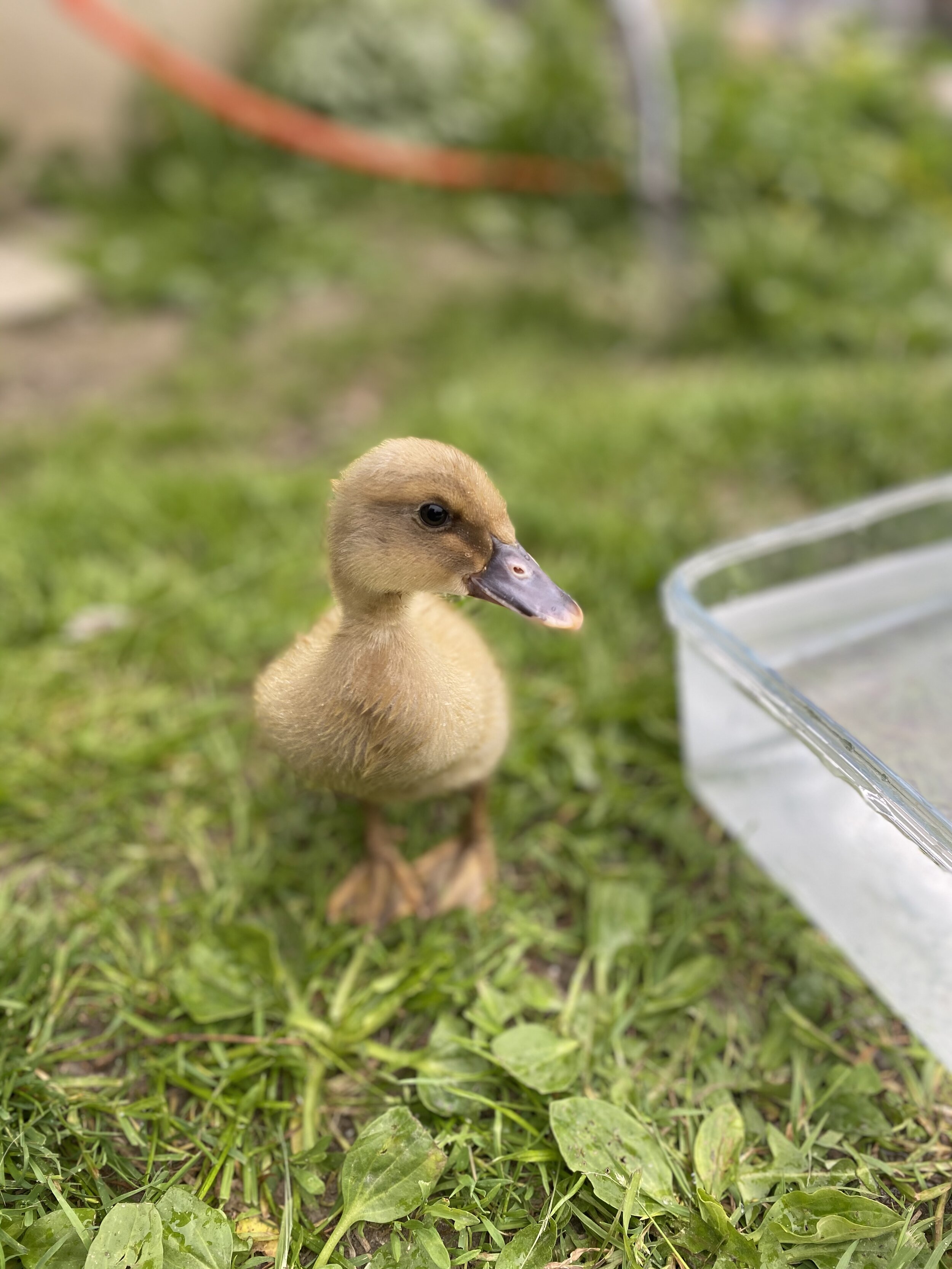
Coco was a young duckling hatched out in our incubator. The only one, as a matter of fact, out of about 50 eggs we tried. I have no doubt that our inexperience coupled with a possibly faulty humidity gauge were the culprits, but…Coco made it! As a baby, she lived in the house with us, and would peep loudly when she heard our voices. Eventually, she moved to an outside pen, and followed us around when we did chores. She is now happily settled in with our other ducks as an adult!
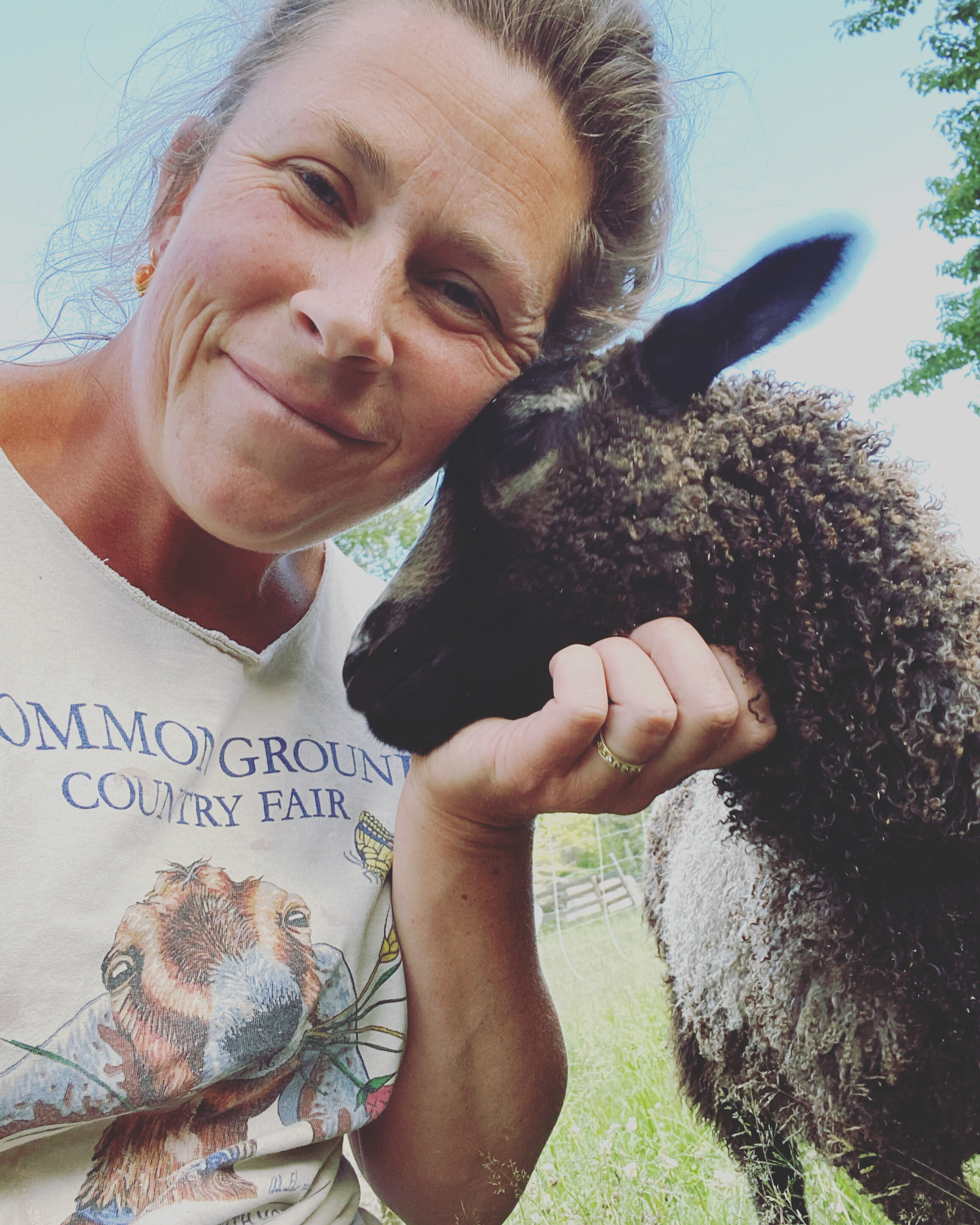

Lots of lambs, or course!
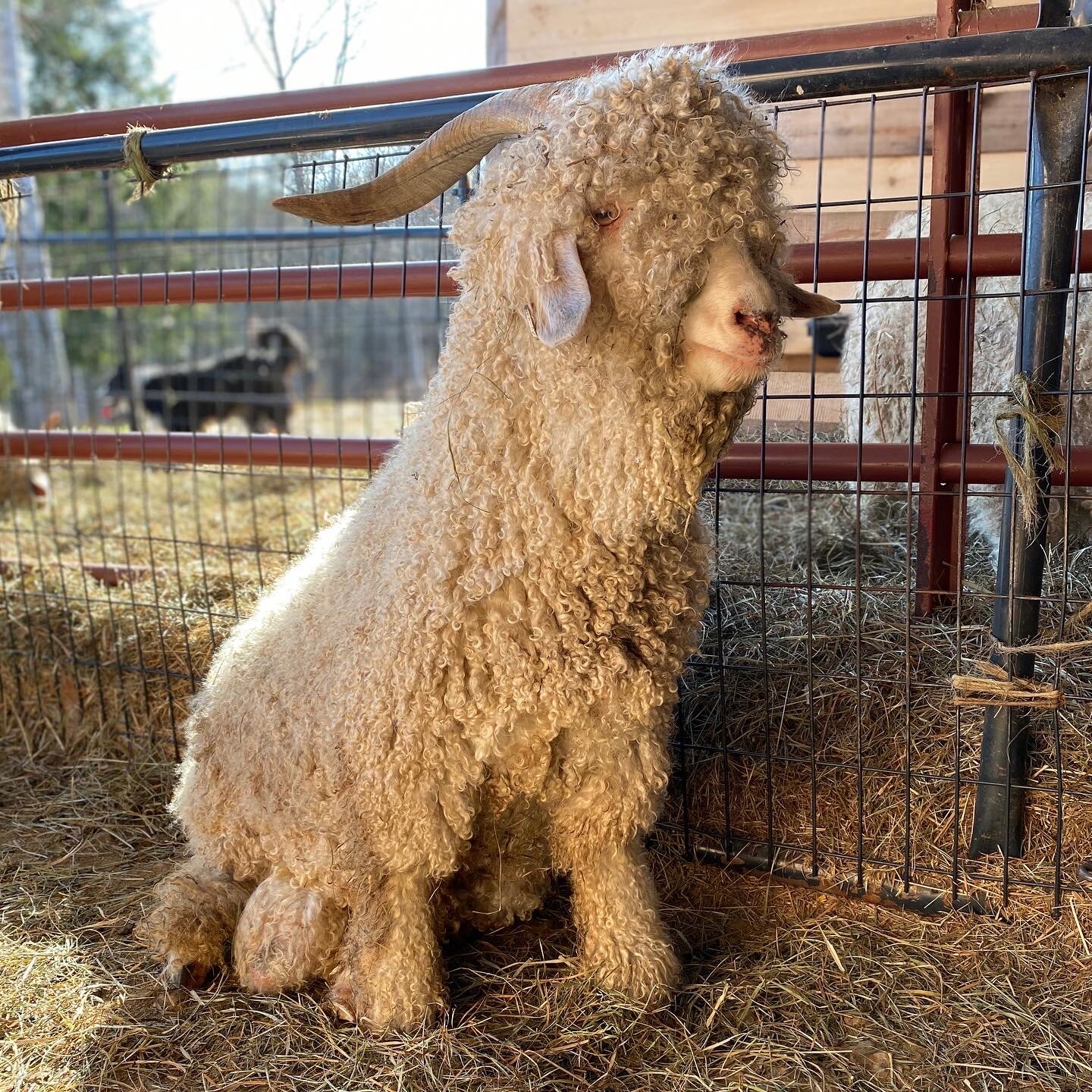
This handsome guy, Goliath, is our newest Angora Buck. He hails from champion bloodlines and will increase the quality of our mohair by leaps and bounds! He came with a lovely doe as well, who we expect to see great things from!
And, along the lines of mohair, we recently crossed many states to pick up five incredible new angora goat babies that will be bred in the fall of 2021. While I haven’t yet taken any photos of them, the trip out to Montana was beautiful (and long!) We made a stop or two along the way, and I fell a little in love with North Dakota.

A new kitten, Merlin!

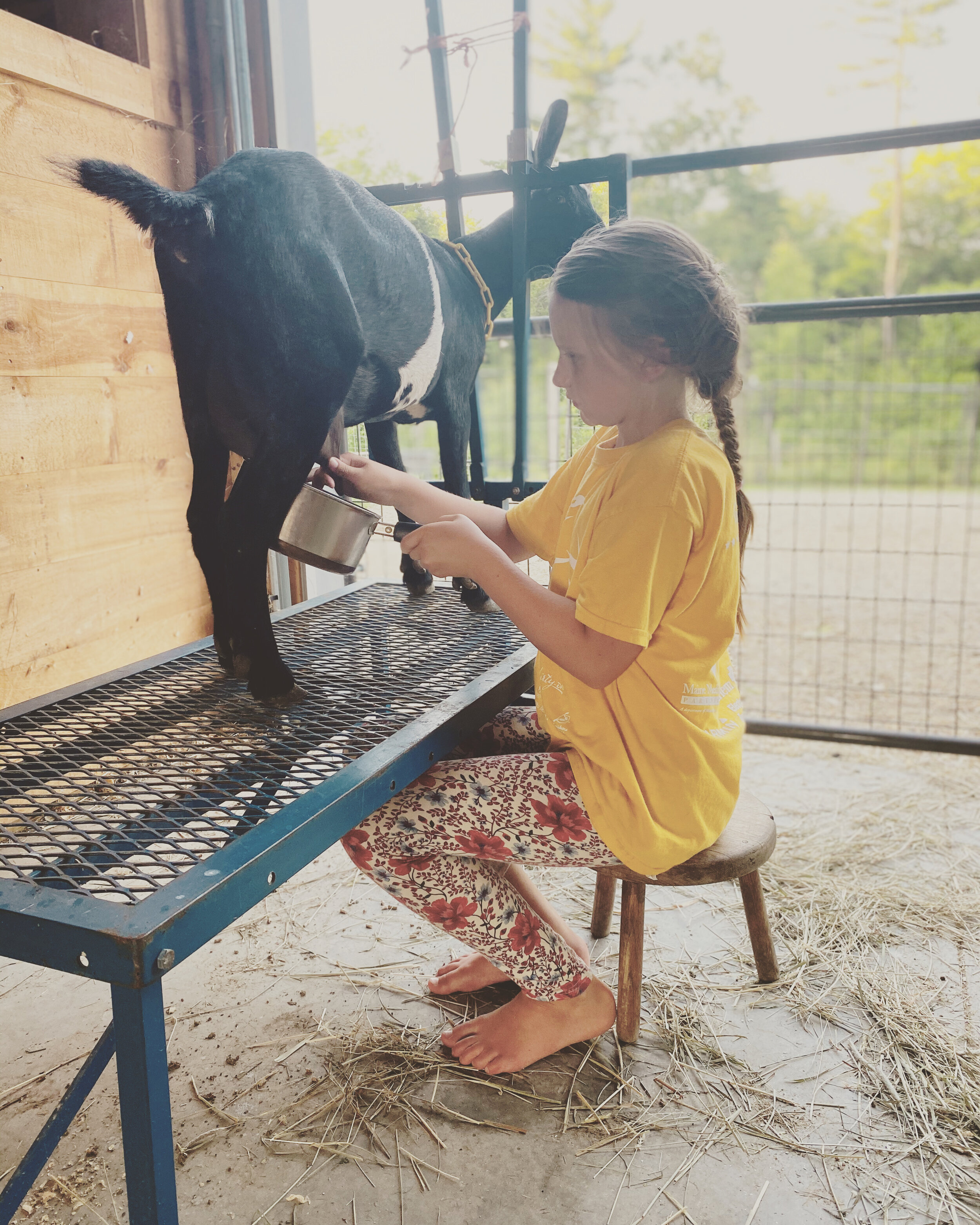
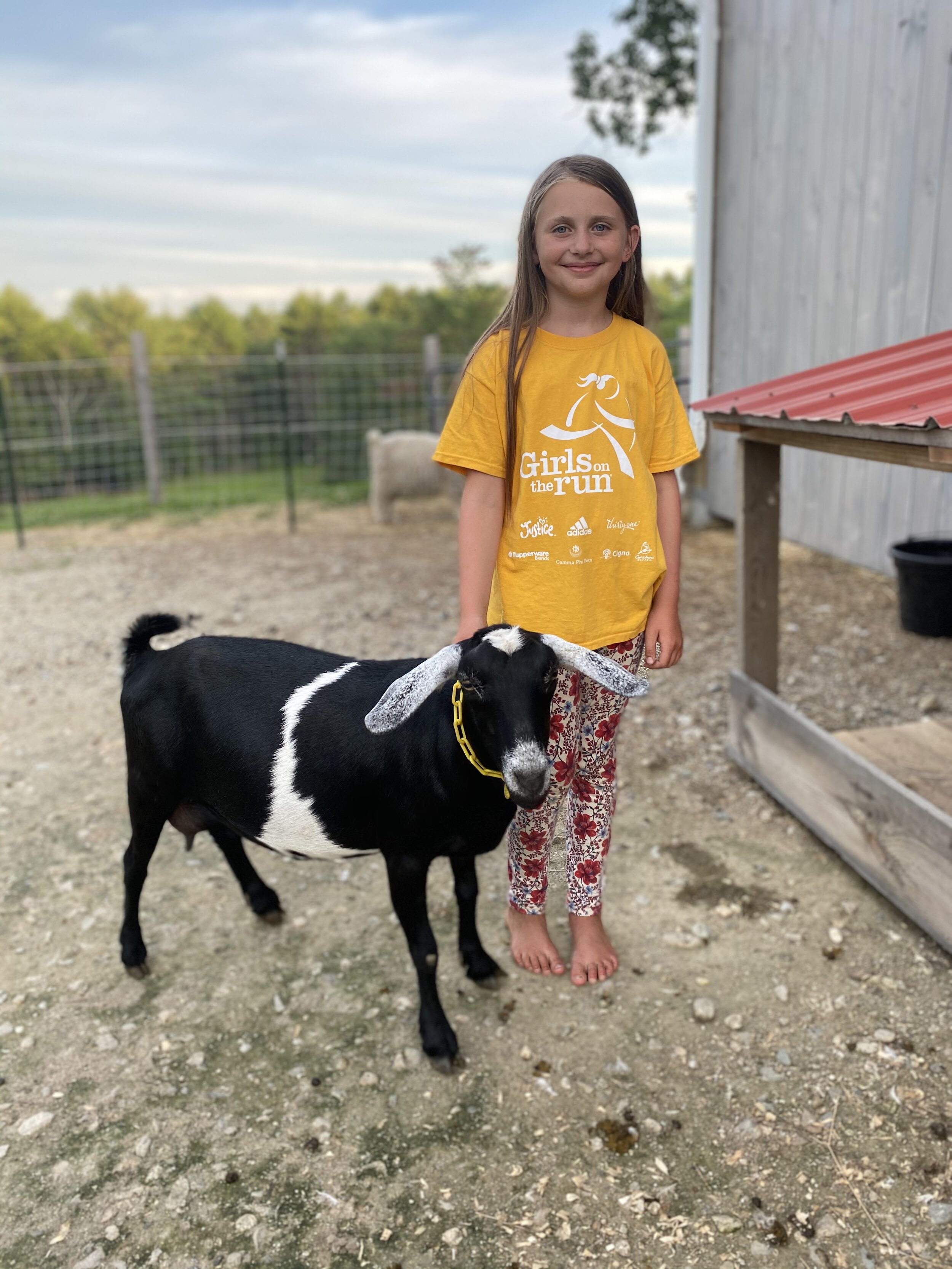
Two milking goats from our friends at Coppertail Farm, Nibblet and Fern. Our daughter had asked for milking goats for her birthday, and promised to do all the milking, so we figured we’d try it out. She has more than proven her capabilities with other animals, and has since done a beautiful job with these girls. She milks faithfully twice per day, and hands the milk to me to do with it whatever I like! Cheese and yogurt has been very popular!
And last, but most certainly the best, according to my daughter, is Duncan.


Duncan has fulfilled not only Cora’s desire to have a horse of her own, but also my own long-lost little girl dreams of an equine companion. He is a perfect gentleman, sweet, but also has lots of spunk. We are all very much in love with him!
The New Year is upon us, and I daresay that for the majority of the world, it is welcome. We will be settling in as a family to do some deep cleaning, baking, and enjoying of the relative quiet for a little while. There is yarn to be skeined and dyed, pregnant mamas to keep an eye on, seeds to be ordered, and dreams to tend to. This is the season of rest, and I forget sometimes that that applies to me as well. See you next year, friends!
Lambing Season
So many lambs!! We are up to our eyeballs in absolute, pure, snuggle-able cuteness. We have one mama who adopted two rejected lambs to bring her count up to six nursing babies…she will forever have my respect. However, with all this beauty comes a doubling of the workload! And, in the midst of all this chaos…I am surrounded by piles of gorgeous, soft, lustrous yarn as payment. Not too bad a trade, I say.


Winter on the Farm
Awaiting the arrival of the first lambs, I thought it about time to share some farm updates! Of course, these updates come in the form of photographs for me. I am such a visual person, and I think they can tell a better story than my words could. There is lots of general fiber busyness at the moment; skeining, washing and dyeing yarn in preparation for the upcoming Boston Farm and Fiber Festival on February 9th.
I absolutely love dyeing yarn! Because every batch is hand-dyed using either farm-grown, foraged or sustainably sourced botanical or insect dyes, not one is like the other. It keeps the job so exciting and satisfying, and I have such pride in seeing a product from our animals through to its finish as a beautiful skein of yarn.

Farm Yarn - Naturally colored Cormo with Suri Alpaca

‘Phinela’ yarn in three natural shades

‘Phinela’ yarn, ‘Mary’ yarn, and 85% mohair/15% finn yarn all naturally dyed with Avocado pits
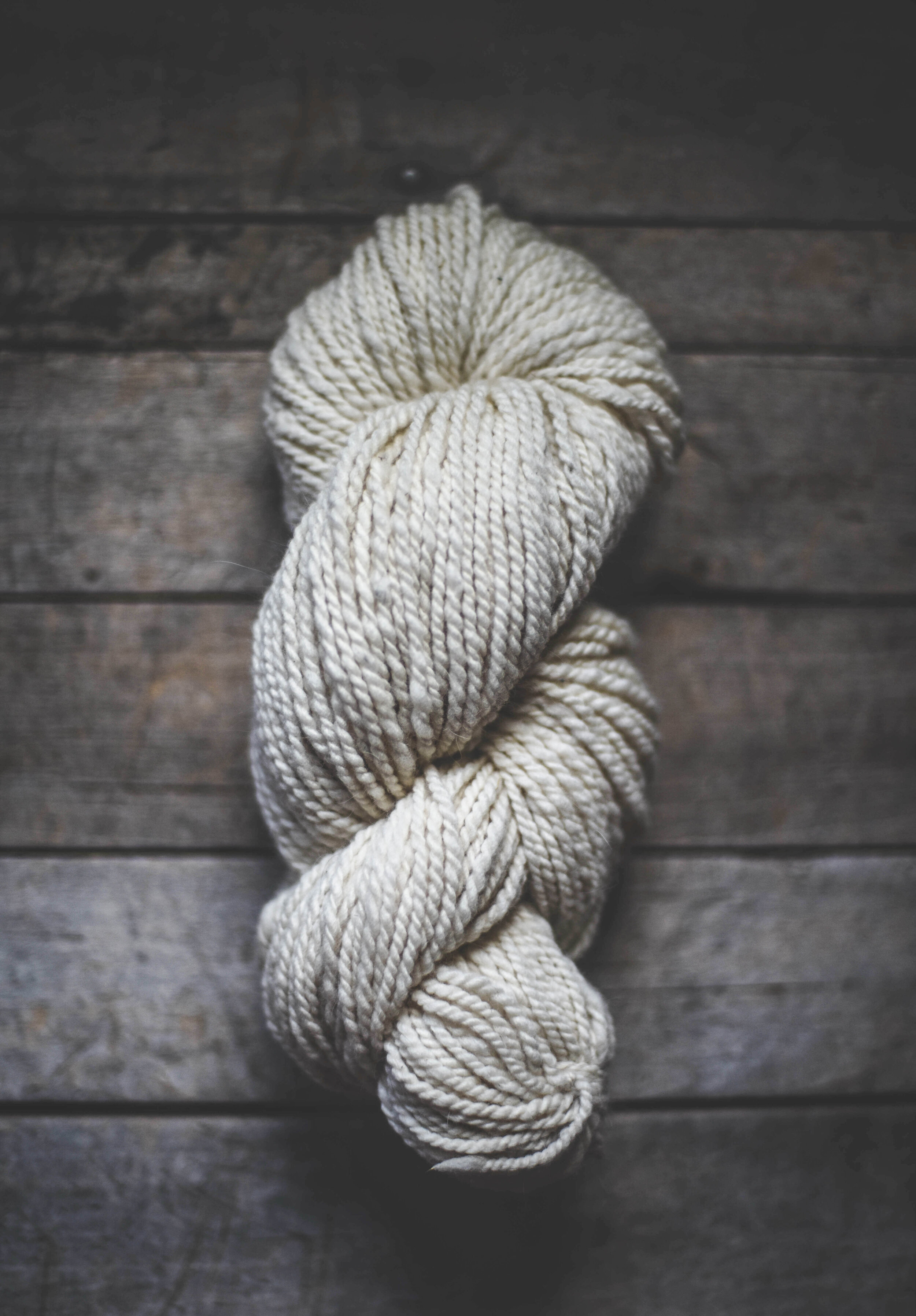
Farm Yarn - Natural colored super-soft Cormo with Angora Bunny

Farm Yarn - Natural colored Cormo with Suri Alpaca

A cone of white ‘Phinela’ awaiting skeining.

My greatest helper on the farm…


The ducks have started laying!