
March.
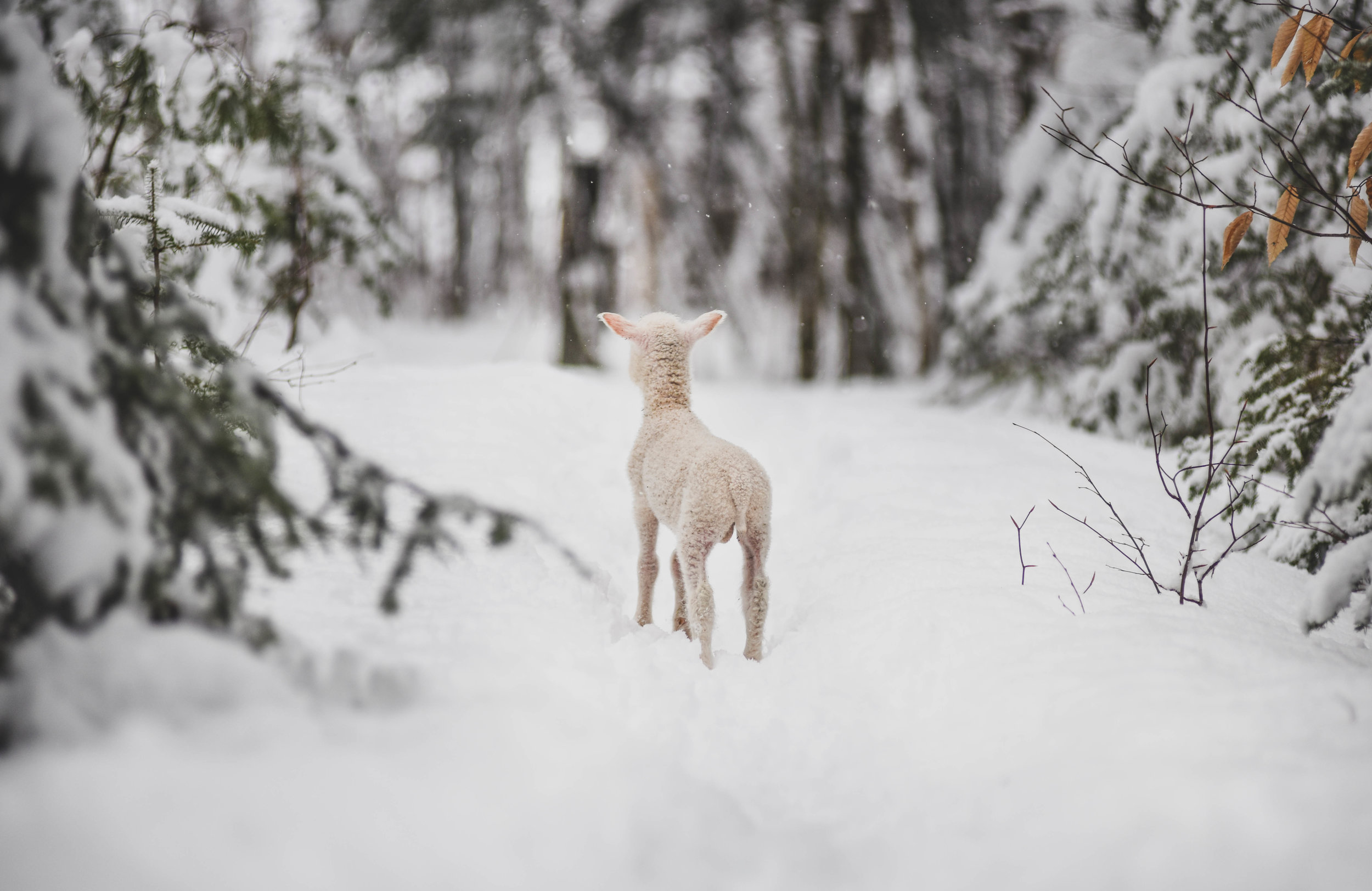
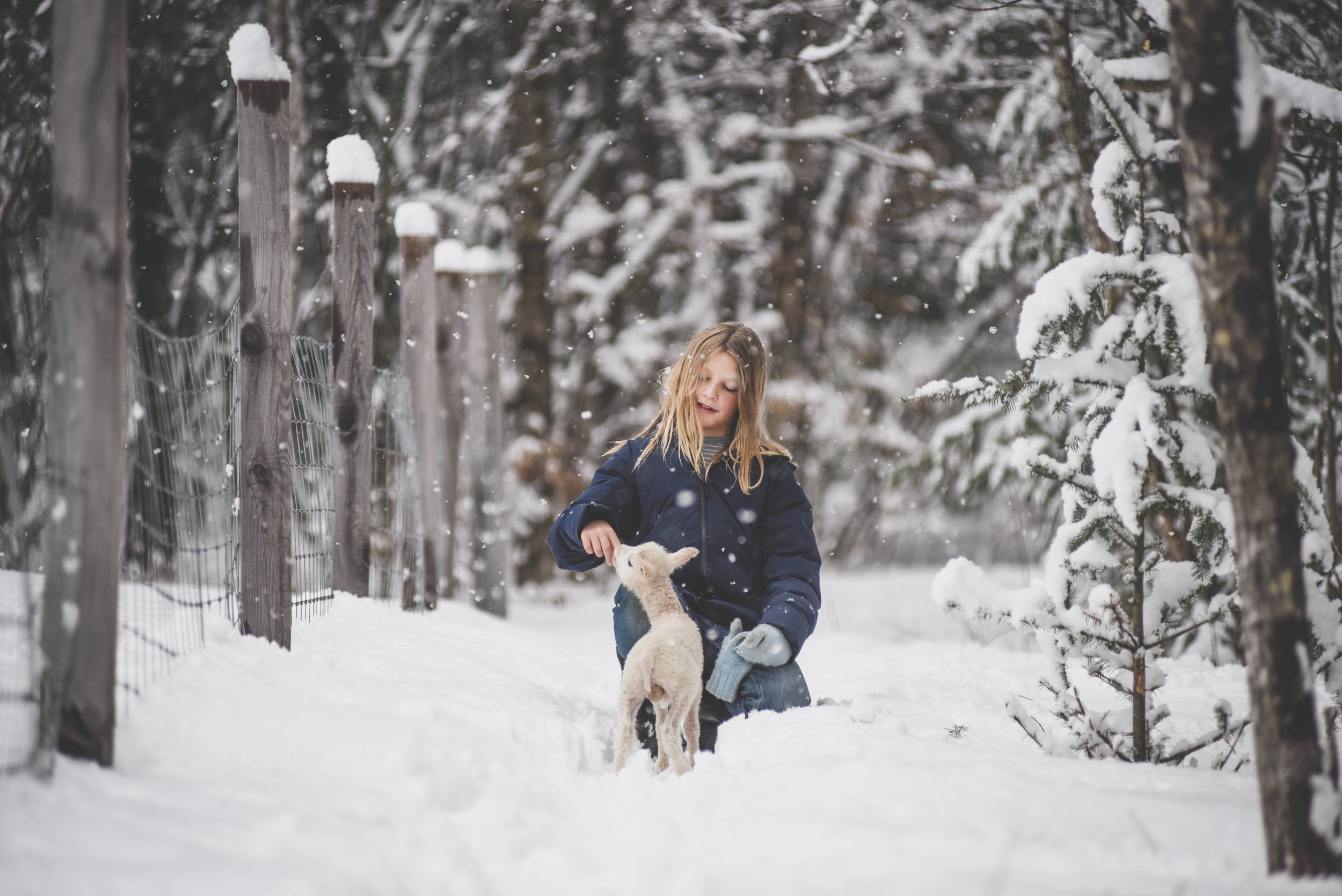
Well, as far as we’re concerned, Spring is here. We have 12 lambs on the ground and more to come…all of a sudden it feels as if our tiny barn is even tinier! Our big barn holds the Angora goats, who will be kidding later this month, so the sheep are a wee bit tight for space at the moment. Today began with a beautiful soft March snow…warm enough to spend all day outside in it. The children are no doubt feeling the change as well. They are playing in the woods outside in the dark by lantern light as I type.
I managed to get a few photos during the snow (with much help from my assistants!), which always gives me joy. It puts things in a light that helps me to remember how much I love farming. Some days are hard, but having a single evocative photograph eases the pain of our Border Collie killing one of our two remaining ducks, or stillborn quadruplets, such as we had this morning. The ewe was just too young, and her body couldn’t handle that many babies. They never developed beyond about 2 months. Such things happen, and we suspected she would abort at some point given that she never developed an udder. Grief arrives nonetheless, but is softened by all the life around us.




Christmas on the Farm

We have something very exciting happening here on the farm this Holiday season! The first annual Christmas on the Farm event is going to be a day filled with all kinds of activities; wreath-making workshops, animals, kids crafts, food, giveaways, and goods from local farms! We are honored to be partnering with Taproot Magazine for this special event, and hope it is the first of many!
Location: Mindful Folk Farm, 290 Morse Road, New Gloucester, Maine
We will be joined by:
Buckwheat Blossom Farm, selling all manner of wooly items including socks, yarn, comforters & lambskins.
Milkweed Farm, selling farm-made herbal remedies, seeds, and handmade leather goods.
Coppertail Farm, selling handmade goats milk soaps, caramels, and more!
Lazy Acres Farm, teaching wreath-making workshops and selling handmade wreaths, greens & flowers
Taproot Magazine, selling goods and magazine subscriptions
Turtle Rock Farm, selling amazing specialty canned goods made from Maine grown produce
Mindful Folk Farm, of course! We will be selling yarn, greeting cards, hand-poured beeswax candles, food and more!
Wreath making workshops:
Sign up to learn how to make a stunning 24" fir wreath, 6' garland, or rustic grapevine wreath with Sarah Lutte of Lazy Acres Farm! Create a lovely work of art using foraged and natural materials, adding your own embelishments and decorations under Sarah's watchful eye and guidance. Preregistration required. Follow the links below to sign up!
1:00 - Fir wreath or garland, $60 per person, sign up here
3:00 - Rustic grapevine wreath, $60 per person, sign up here
We will be updating this page throughout the next two weeks with more vendors, and details about what to expect. In the meantime, you can visit the Facebook event page here, or follow us on Instagram for frequent updates!
Phinela: Part II
When we first moved to our town, we did not have any farm animals besides chickens. I did not come from a farming background, but after struggling with Chronic Lyme Disease and being rendered all but immobile, fiber became a passion. After we had lived here for only about one year, we found three angora goats on craigslist (I wouldn’t do that again!) and the rest is history.
During that year after we acquired the goats, I began thinking about sheep, as a way to use up all the mohair the goats were producing. So, we then found ourselves with two finnsheep. One day my husband came home from a run and asked if I had seen the ruins of the mill around the corner. I said no, and he began to tell me about how this mill was the first water-powered fiber mill in the country, and that it had a crazy story to go with it. So I went to check it out.

“Beginning a mill in 1791 along Collyer Brook in what is now Gray, Maine, Samuel Mayall's operation became the first successful water-powered woolen mill in North America. Establishing the mills in Gray was not easy. Woolen interests in England had prohibited the production of goods in the colonies and worked diligently to prevent British wool-making technology from being put to use in competition with them. Realizing this, Mayall smuggled plans for his machinery out of England hidden in bales of cloth meant for trade with Indians. When British woolen guilds learned of his deception, they tried at least twice to kill him. Once they sent him a hat in which they had hidden pins laced with poison and another time a box with loaded pistols rigged to fire when the box was opened. Suspicious of both packages, Mayall managed to avoid the untimely death his enemies had planned for him.”

“In time, the original single wooden structure grew into a sprawling mill complex, featuring two large buildings known as the lower mill and the upper mill, each powered by the water of Collyer Brook. Built in 1816 to expand Mayall’s production, the Upper Mill continued to produce woolen cloth until it was destroyed by fire in 1886. Despite the fire and decades of decay, one corner of the Upper Mill still stands.” A photograph of the Upper Mill can be found here.

“After Samuel Mayall died in 1831, his daughters Mary and Phanela took over the milling operation and built the Lower Mill in 1834. This building continued to produce cloth in all but a few years until 1902. This photograph shows the Lower Mill and the buildings that once surrounded it. These include the original 1791 structure that was converted to a carpenter shop when the Upper Mill was built, the Picker House, where wool was picked, cleaned, and graded before being spun into yarn and the old Picker House.”

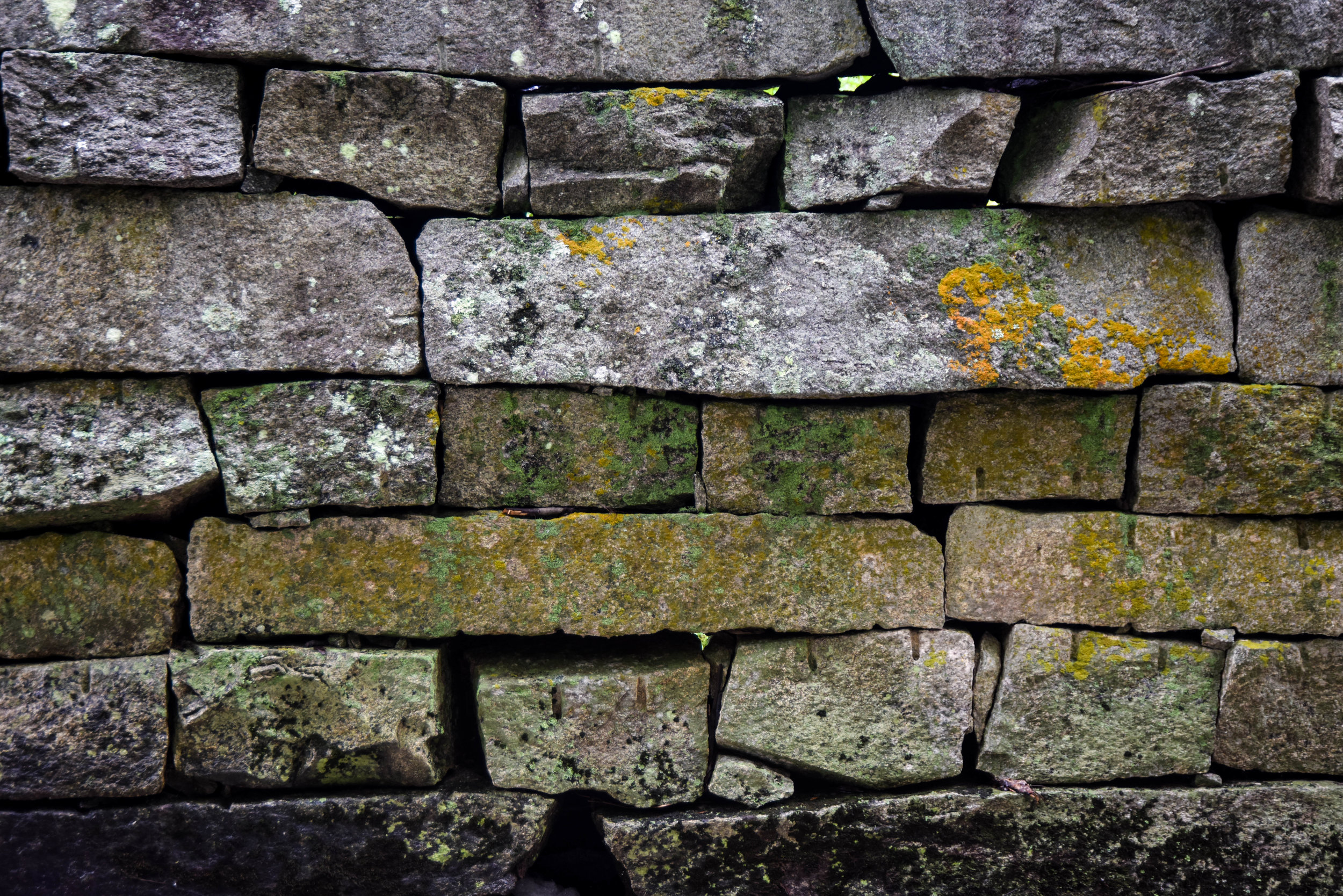
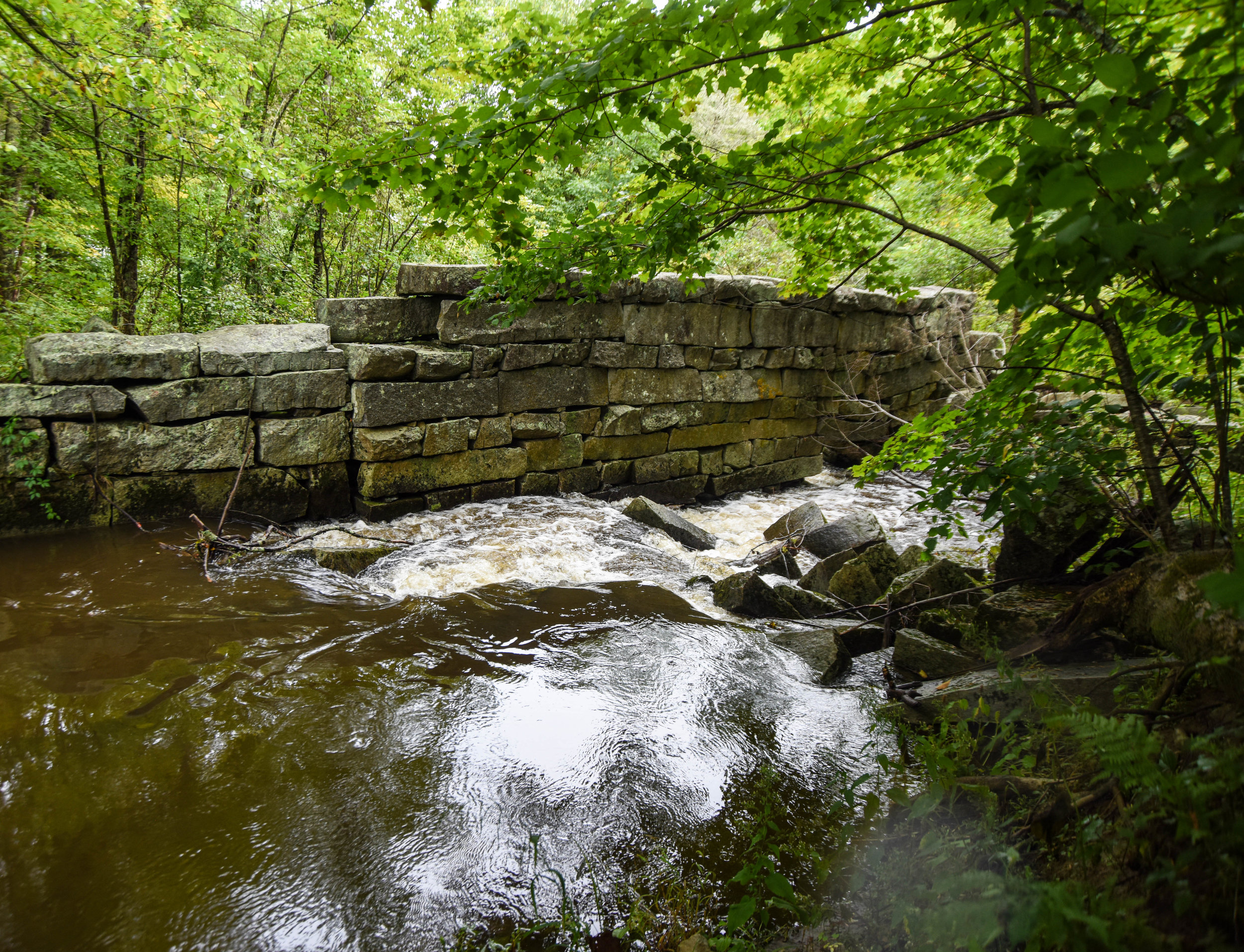
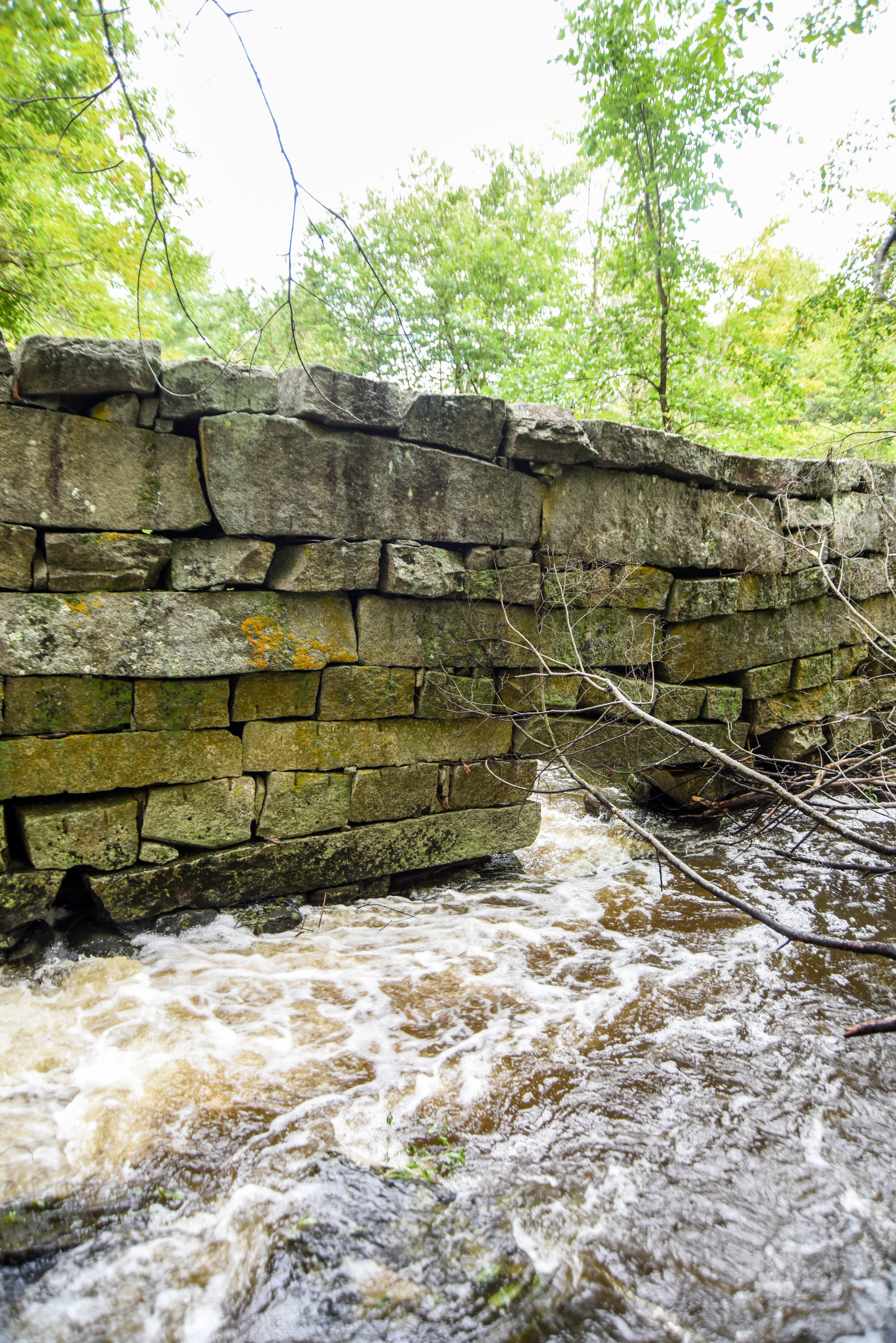
It felt serendipitous, at the least, to discover that the area we were living in was once home to not only an incredible piece of history, but many farms that raised sheep for fiber production. This beautiful, serene location has also become our family’s favorite swimming hole. It is so far off the beaten track, and without any signage to point visitors to the spot, that we rarely see another soul. There is a lovely path that winds around the ruins of the mill and along the water’s edge, and the current is usually a great deal slower, but perfect below the mill for young children.
So there you have it. The story behind the names of our two lines of yarn; Phinela and Mary. It felt only right to honor them in some way, and what I imagine to be two smart, capable, and somewhat unusual, women. They ran a very successful business during a time when women were rarely known to do such things. I occasionally imagine them around as I am working, and wonder what they were like, if they would approve, or if running a business to them was merely a means to an end. In any case, their intrepid spirits live on in our yarn!
* All information above was found either on location, by way of informational signs, or here.
Phinela: Part I
One of the things I love most about being involved in the fiber world, is the people I get to meet. I feel like the luckiest woman in the world that I get to wake up every morning and be outside with the animals I adore, in all kinds of weather. Most days I have my hands in the dirt, and the rest of my time I get to enjoy not only the fruits of my labor in the garden, but also the fruits of working with fiber animals. Producing a fiber product from start to finish is a lot of work, but incredibly rewarding. Along the way, I work with other farmers, a shearer, veterinarians, animal supply store owners, apprentices, farm helpers, fiber mill owners and employees, vendors, knitters, artists, and pattern designers. It truly takes a village to create a farm-to-fiber product.
One incredible woman I have had the opportunity to get to know is a very talented pattern designer by the name of Beatrice Perron Dahlen (@threadandladle). She knew exactly what to do with my yarn, and created a lovely, luxurious shawl that is truly perfect for everyday use.

Beatrice decided to call the shawl “Phinela”, after the name of our staple yarn blend, which is made with next-to-skin soft 60% finnsheep and 40% kid mohair, all from our flock/herd. Although I am partial to our own fiber, there are so many sport weight yarns out there that would be stunning as well for this pattern. And as Beatrice states, and I concur, knit with something you truly love! As the second half of a two-part post, I will be talking a bit about where the inspiration came from for the names of our two lines of fiber; Phinela and Mary.

As many of you out there know, my background is actually photography, not fiber or farming. So, another part of my job is getting to occasionally put those skills to work. Most often I use them for my own products, but I LOVE photographing knitwear! This photoshoot was particularly fun, and Beatrice was a trooper when I asked her to go wading in the ocean to get to where the light was most beautiful.

I am just itching to get this shawl knit up for myself in a couple of our naturally-dyed skeins. (See the previous post…I’m thinking that beautiful goldenrod…)


If you are interested in knitting this shawl, please head over to Beatrice’s ravelry page, and snatch up the pattern. Also, while you are there, take a look at some of her other stunning work; she has also written a wonderful book!